
Cadillac Escalade IQ Range for Real Life
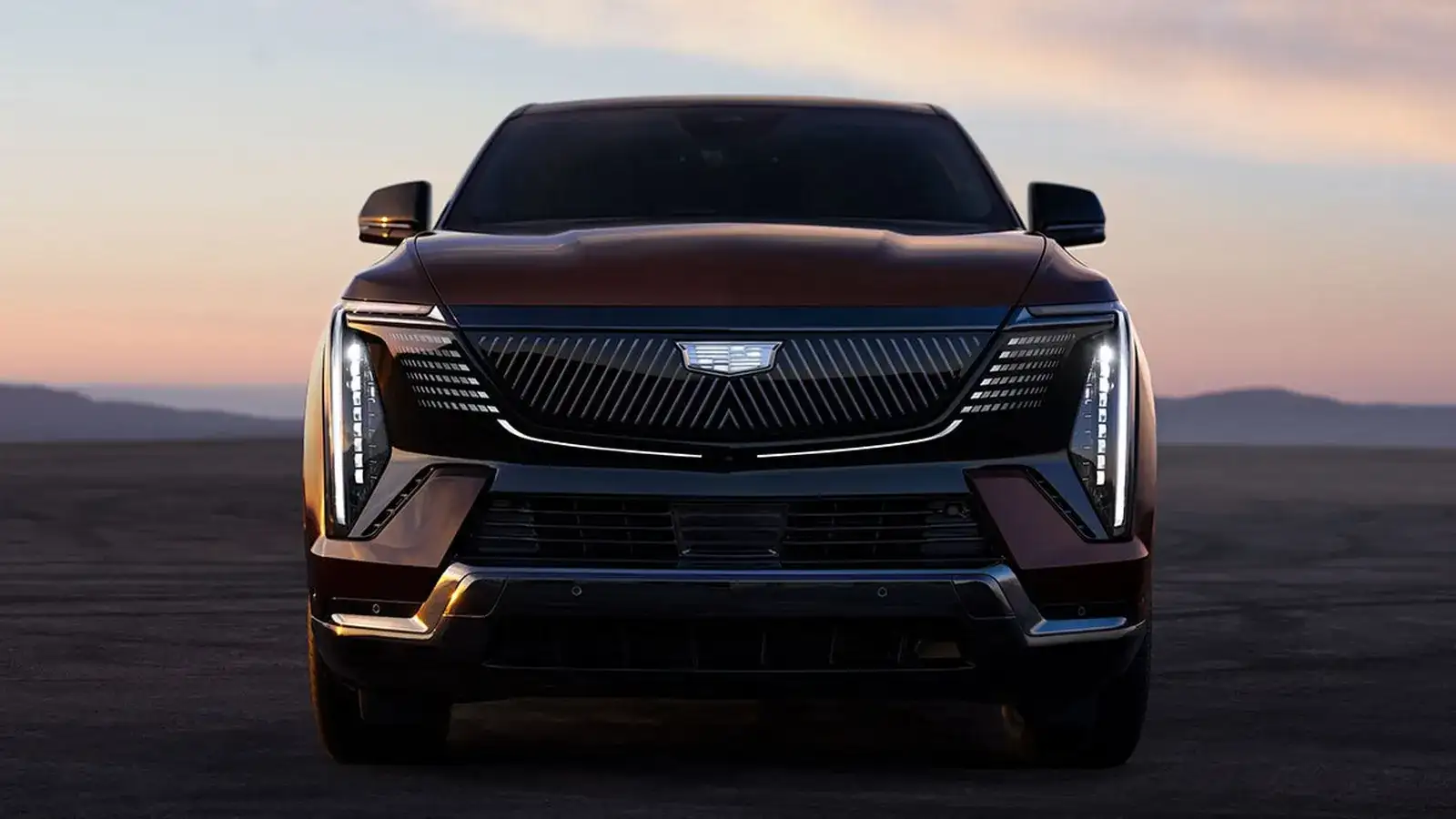
A full-size luxury SUV that can travel up to a Cadillac-estimated 465 miles on one charge changes the usual EV conversation. The Cadillac Escalade IQ range is not simply a headline number – it gives many drivers the freedom to handle everyday travel, family commitments, and longer regional trips with fewer charging stops than they may expect from an all-electric SUV.
For shoppers around Auburn, Opelika, Tuskegee, Valley, and Lanett, the right question is not just, “How far can it go?” It is whether that range fits the way you actually use an Escalade: school drop-offs, business travel, weekends at the lake, airport runs, and road trips with a full cabin and cargo area. Here is what the Escalade IQ’s range rating means in real life, and what can affect it.
Cadillac Escalade IQ Range: The EPA Estimate
The Cadillac Escalade IQ has a Cadillac-estimated range of up to 465 miles on a full charge, and the longer Escalade IQL is estimated at up to 460 miles. Both come standard with dual-motor all-wheel drive. Those figures place the Escalade IQ among the longest-range electric luxury SUVs available.
The difference comes down to body length. The standard-length IQ is the range leader, while the IQL adds room for passengers and cargo. A roughly 5-mile difference is modest for most households, so the decision may come down more to how much space you need than to the rating alone.
Its high-capacity battery pack helps make that long-distance potential possible. It also supports the Escalade IQ’s character as a true full-size SUV rather than asking buyers to compromise on space, presence, or capability in exchange for electric driving.
Estimated range is a useful benchmark for comparing EVs, but it is a controlled estimate. It should be treated as a strong planning figure, not a promise that every drive will deliver the exact same result.
What Range Looks Like in Daily East Alabama Driving
For many Escalade IQ owners, daily charging may be unnecessary. Even if your real-world efficiency is lower than the maximum estimate, a fully charged Escalade IQ can cover several days of typical commuting and errands before needing to plug in.
Consider the kinds of drives many East Alabama households make. A commute from Opelika to Auburn, appointments in Tuskegee, a trip to Columbus, Georgia, or a weekend visit to family in Montgomery can all fit comfortably within the Escalade IQ’s overall range potential. A home charger turns that capability into an easy routine: plug in at night when needed and begin the next morning with the battery ready for the day.
Longer road trips will require planning, as they do in every EV. The advantage here is that the Escalade IQ starts with a meaningful range cushion. You are less likely to feel like every extra stop, detour, or stretch of interstate changes the entire plan.
Why Your Real-World Range Can Change
No electric vehicle delivers one fixed range number in every situation. Temperature, speed, terrain, cargo, and climate settings all influence how much energy the vehicle uses. That does not make the range estimate less useful. It simply means thoughtful owners plan around conditions instead of expecting the same result on every route.
Highway Speed and Driving Style
Electric vehicles are especially efficient in city and suburban traffic because they can recapture energy through regenerative braking. At sustained interstate speeds, aerodynamic drag rises and energy use increases. A long highway drive at 75 mph will generally use more battery power than a day of local driving around Auburn or Opelika.
Smooth acceleration, sensible cruising speeds, and the Escalade IQ’s adjustable regenerative braking settings can help make the most of available range. The goal is not to drive cautiously in a vehicle built for effortless performance. It is simply to understand that relaxed, consistent driving supports better efficiency.
Weather and Cabin Comfort
Alabama summers bring serious heat, and cold snaps still arrive in winter. Running air conditioning or heat takes energy, particularly during the first part of a drive. Cold weather can also make a battery less efficient until it reaches its ideal operating temperature.
The Escalade IQ is designed for year-round luxury, so using climate control is part of normal ownership. Preconditioning the cabin while the vehicle is plugged in can help. It cools or warms the interior before departure while drawing power from the charger rather than the battery.
Passengers, Cargo, and Towing
A full family, luggage, and a loaded cargo area have an effect on range, though ordinary passenger loads are not likely to be dramatic. Towing is the bigger consideration. The Escalade IQ offers serious capability, including an available Smart Trailering Package, but pulling a boat, trailer, or camper creates substantial additional energy demand.
Drivers who tow regularly should expect shorter legs between charging stops and should choose charging locations with trailer-friendly access. That is not unique to Cadillac or electric vehicles – towing affects fuel economy in gas-powered SUVs, too – but it matters more when planning an EV trip.
Charging the Escalade IQ Without Changing Your Routine
Range gets the attention, but charging convenience often determines whether an EV feels natural to own. For most drivers, home charging is the foundation. A professionally installed Level 2 charger can replenish the battery overnight, allowing you to recover a meaningful amount of range while the SUV is parked at home.
You do not need to charge from near empty to 100% every night. Many owners plug in as needed and set a daily charging limit that suits their routines. For road trips, charging to a higher level before leaving makes sense. For ordinary driving, a lower daily target can be a practical battery-care habit.
When traveling, the Escalade IQ’s high-voltage electrical architecture supports DC fast charging at up to 350 kW under suitable conditions. Cadillac states that the vehicle can add up to 117 miles of range in about 10 minutes at a compatible high-output public charger. Actual results depend on the charger, battery temperature, starting charge level, and other factors.
Fast charging is quickest when the battery is at a lower state of charge. That is why road-trip stops often focus on adding enough energy to reach the next convenient charger, rather than waiting to reach 100%. Built-in route planning can help identify charging stops and prepare the battery for efficient DC fast charging before arrival.
Escalade IQ or Escalade IQL: Which Is Better for Range?
Choose the standard-length Escalade IQ if maximizing range is a top priority. Its Cadillac-estimated 465-mile rating is the highest in the lineup and gives the most possible distance between stops.
Choose the Escalade IQL if you want more room for passengers and cargo. Its Cadillac-estimated 460-mile range still offers exceptional flexibility, and the difference may be insignificant compared with daily changes in weather, speed, or terrain.
For a buyer who spends most of the year on paved roads in Lee, Macon, or Chambers County, either version can be a compelling fit, and both come standard with all-wheel drive for confidence in rain or on a steep driveway. If your household regularly fills every row with passengers and luggage, the small range trade-off of the IQL may be well worth it.
A Better Way to Plan an Escalade IQ Test Drive
A test drive should answer more than whether the Escalade IQ feels quick and quiet. Ask to see the charging port, charging settings, navigation tools, and regenerative braking controls. Sit in every row, examine the cargo space, and discuss the kinds of trips you take most often.
If your household is moving from a gas-powered Escalade, ask how home charging, public charging, and trip planning would work for your specific routine. If you are cross-shopping the LYRIQ, VISTIQ, or another luxury electric SUV, compare usable space, expected range, ride quality, and charging speed rather than judging any model on one number alone.
The Escalade IQ makes the most sense for drivers who want a flagship SUV with real long-distance capability and are ready to make charging part of their normal parking routine. Visit Allen Turner Cadillac of Auburn to explore current Escalade IQ availability, take a thoughtful test drive, and discuss financing and charging questions with a team focused on the ownership experience long after delivery.
Frequently Asked Questions
Does the Escalade IQ come with all-wheel drive?
Yes. Cadillac lists a dual-motor all-wheel-drive setup for both the Escalade IQ and the longer Escalade IQL, so there is no rear-wheel-drive version to choose. That standard AWD adds traction on wet roads, which can be welcome during heavy summer storms around Auburn and Opelika.
How fast does the Escalade IQ charge at home?
Cadillac lists an 11.5 kW onboard charging module on Luxury and Sport trims, adding up to about 22 miles of range per hour, and a 19.2 kW module on Premium Luxury and Premium Sport trims, adding up to about 36 miles per hour with a compatible charger. Overnight Level 2 charging covers most daily driving in Lee County.
Can the Escalade IQ use Tesla Superchargers?
Cadillac names Tesla Supercharger among the public charging networks available through the myCadillac app, alongside Electrify America, IONNA, and ChargePoint. Access depends on the station and vehicle equipment, and an adapter may be required, so confirm compatibility in the app before relying on a specific stop along I-85.
How many people does the Escalade IQ seat?
Cadillac describes the Escalade IQ as a seven-seat luxury electric SUV, and the longer Escalade IQL also seats seven across three rows with more cargo space. Bring the family to Allen Turner Cadillac of Auburn and sit in every row of both to see which length fits your routine.
0 comment(s) so far on Cadillac Escalade IQ Range for Real Life