
Escalade vs. Escalade IQ: Choosing Between Gas and Electric
Escalade vs. Escalade IQ: Choosing Between Gas and Electric
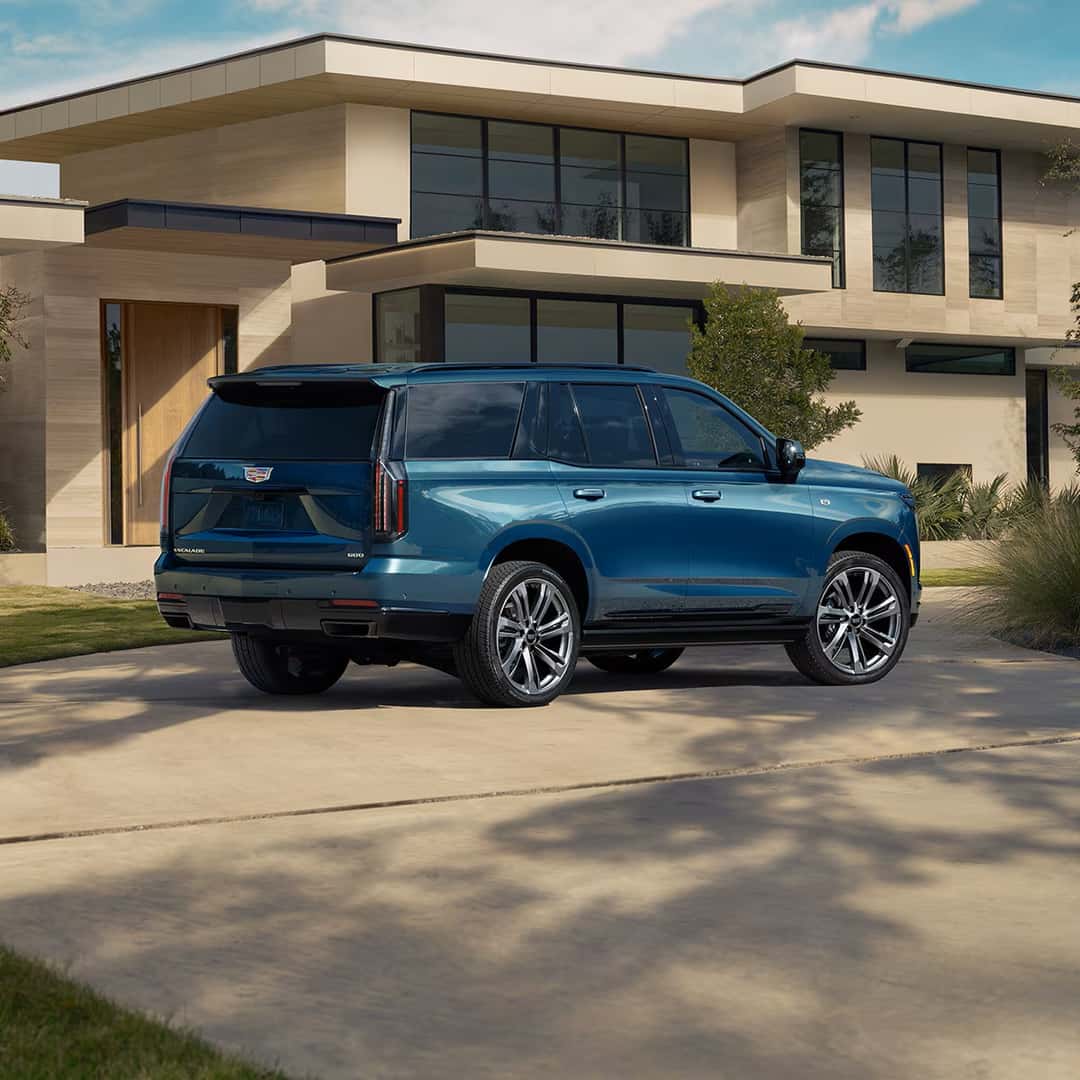
Power and Performance: V8 vs. Electric Motors
The standard Escalade runs on a 6.2-liter V-8 producing 420 horsepower and 460 pound-feet of torque, the kind of traditional power delivery Escalade owners have come to expect. If you want more performance from the gas lineup, the Escalade V steps things up to 682 horsepower and 653 pound-feet of torque.
The Escalade IQ changes the equation entirely. Its electric powertrain is built on a battery platform with over 200 kWh of capacity and produces 750 horsepower and 785 pound-feet of torque, all delivered instantly. Where the gas engine builds power through the rev range, the Escalade IQ’s torque is available the moment you press the accelerator, giving it a noticeably different feel from behind the wheel.
The driving experience differs beyond just the numbers. The Escalade IQ’s cabin stays remarkably quiet at highway speeds since there’s no engine noise to mask, and the low center of gravity from the battery pack mounted along the floor gives it a planted, stable feel through turns that’s different from the traditional body-on-frame ride of the gas Escalade. Drivers who value that classic V-8 rumble and familiar SUV feel may still prefer the standard Escalade, while those looking for a quieter, more composed ride may lean toward the IQ.
Range, Charging, and Everyday Driving
Range is naturally the biggest question mark for anyone considering an electric Escalade. The Escalade IQ is rated for up to 460 miles on a full charge, enough for most Auburn drivers to go a week or more of typical driving between charges. Setting up home charging makes daily use simple, and if you’re planning a longer trip, it’s worth knowing where the public charging stops along I-85 are located between Auburn and neighboring cities like Opelika or Montgomery.
The gas Escalade, meanwhile, offers the familiar convenience of fueling up anywhere in a few minutes, with no route planning required. For drivers who tow long distances or travel to areas without reliable charging infrastructure, that simplicity still matters.
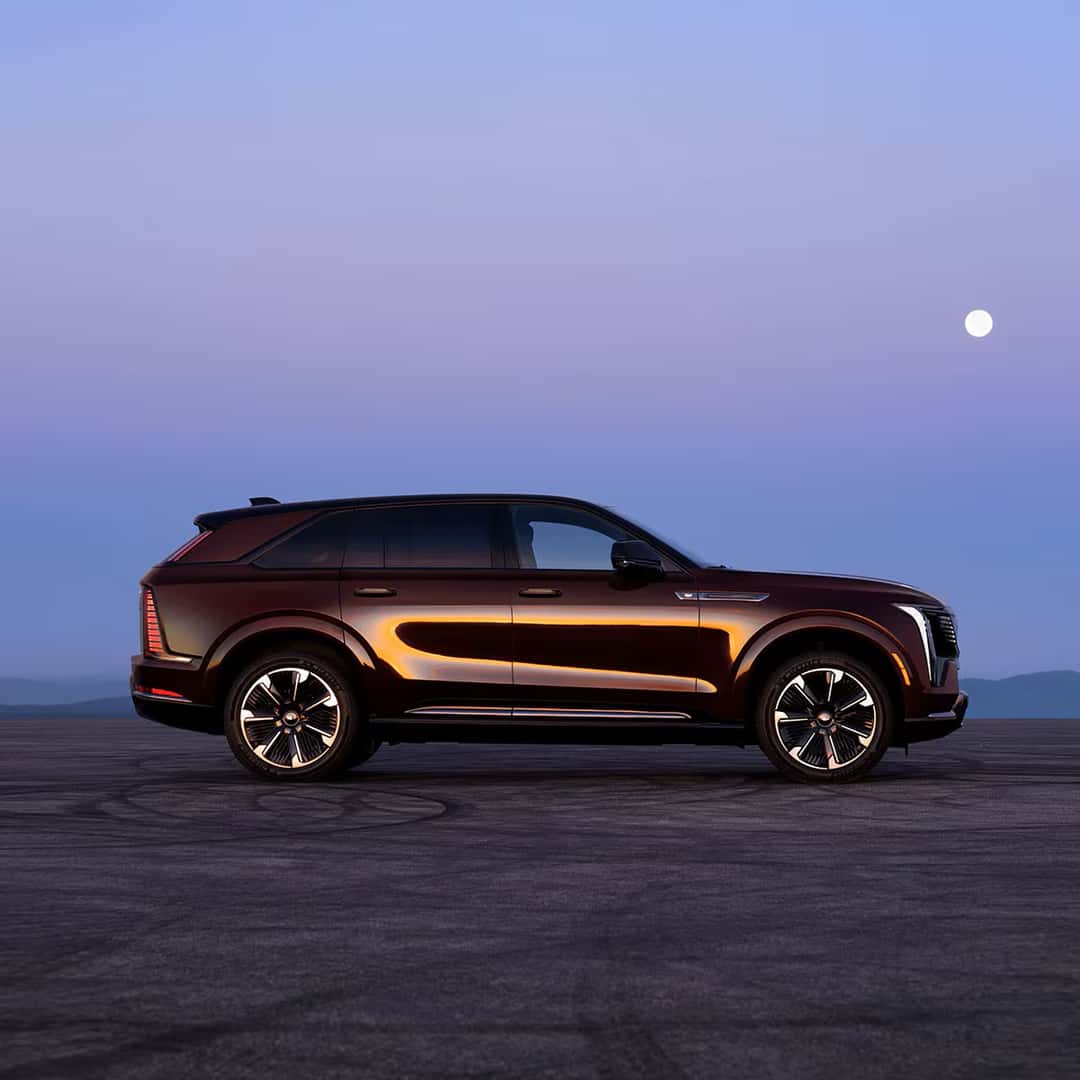
Towing Capacity: Surprisingly Close
Given the difference in powertrains, towing capacity is one of the more surprising comparisons. Both the gas-powered Escalade and the electric Escalade IQ are rated for a maximum of up to 8,000 pounds when properly equipped, putting them close enough that towing alone probably shouldn’t be the deciding factor between the two. If you regularly haul near that limit, it’s worth discussing hitch setup and battery range impact with our team, since towing does reduce an EV’s real-world range more noticeably than it affects a gas engine’s fuel economy.
Interior Technology: Curved Display vs. Traditional Layout
Step inside and the difference becomes obvious immediately. The Escalade IQ features a 55-inch curved LED display that spans nearly the entire dashboard, compared to the standard Escalade’s 38-inch OLED screen setup. Both are impressive by any standard, but the Escalade IQ leans further into a digital-first cabin experience.
If interior space is a priority, both lineups offer extended-wheelbase options: the gas-powered Escalade ESV and the electric Escalade IQL, each adding extra rear-seat and cargo room over their standard-length counterparts.
Maintenance and Running Costs
Ownership costs diverge almost as much as the powertrains do. A gas Escalade follows a familiar maintenance schedule of oil changes, filters, and the routine upkeep that comes with a V-8 engine. The Escalade IQ skips oil changes entirely and has far fewer moving parts to service, though tire wear can come slightly faster given the added weight of the battery pack.
Electricity is also typically cheaper per mile than gasoline, especially if you’re charging at home overnight. Over years of ownership, that difference can add up, though it’s worth weighing against the Escalade IQ’s charging routine versus the instant convenience of a gas fill-up.
Which Escalade Is Right for You?
If you want maximum range confidence, simple long-distance travel, and the traditional feel of a V-8, the gas-powered Escalade lineup still delivers exactly what Escalade buyers expect. If you’re drawn to instant power, a fully digital cabin, and lower running costs for daily driving and commuting around Auburn, the Escalade IQ is worth serious consideration.
Families who frequently haul trailers long distances or travel to areas without much charging infrastructure often lean toward the gas lineup, while Auburn and Opelika commuters who mostly drive locally and can charge at home tend to appreciate what the Escalade IQ offers day to day. Neither choice is a downgrade, they’re simply two different ways to experience the same full-size luxury SUV. The best way to decide is to feel both for yourself.
Frequently Asked Questions
How much horsepower does the Escalade IQ have compared to the gas Escalade?
The Escalade IQ produces 750 horsepower and 785 pound-feet of torque from its electric powertrain. The standard gas Escalade’s 6.2-liter V-8 makes 420 horsepower and 460 pound-feet of torque, while the performance-oriented Escalade V makes 682 horsepower and 653 pound-feet of torque.
What is the range of the Escalade IQ?
The Escalade IQ is rated for up to 460 miles of total range on a full charge, powered by a battery platform with over 200 kWh of capacity.
Does the Escalade IQ tow as much as the gas-powered Escalade?
Yes, towing capacity is one of the closest comparisons between the two. Both the Escalade IQ and the gas-powered Escalade are rated for a maximum of up to 8,000 pounds when properly equipped.
What’s the difference between Escalade IQ and Escalade IQL?
The Escalade IQL is the extended-wheelbase version of the electric Escalade IQ, offering additional rear-seat and cargo space, similar to how the gas-powered Escalade ESV extends the standard Escalade.
Can I test drive both the Escalade and Escalade IQ at Allen Turner Cadillac of Auburn?
Yes. Our Auburn showroom carries both the gas-powered Escalade lineup and the electric Escalade IQ, so you can experience the difference in power delivery and interior technology firsthand.
Ready to feel the difference for yourself? Schedule an Escalade IQ test drive at Allen Turner Cadillac of Auburn, or if you have a vehicle to trade toward either lineup, take a moment to value your trade before your visit.
0 comment(s) so far on Escalade vs. Escalade IQ: Choosing Between Gas and Electric