
Cadillac LYRIQ Charging Cost for Alabama Drivers
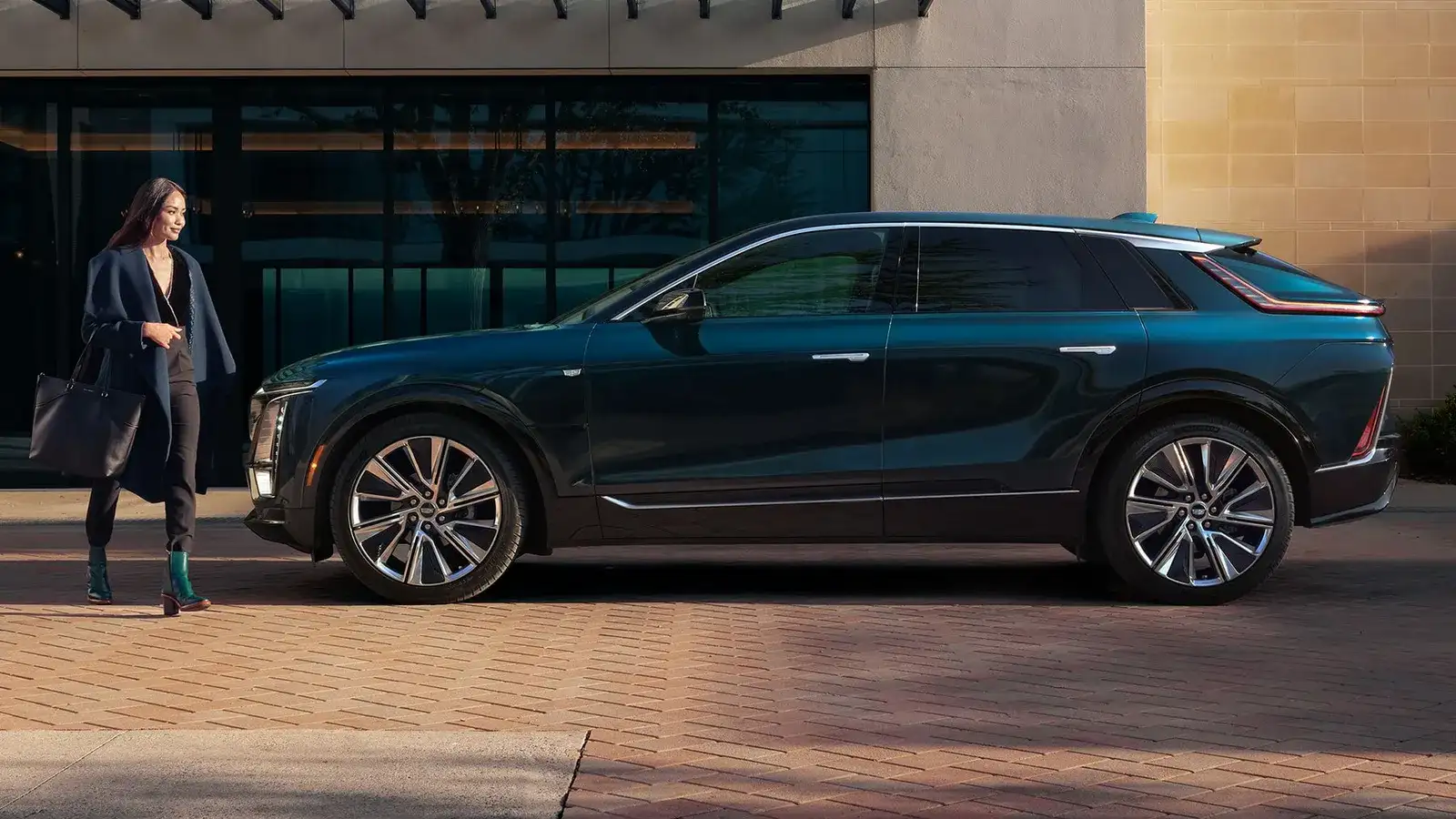
A Cadillac LYRIQ can cover most daily driving with a simple overnight charge at home. That is the key to understanding Cadillac LYRIQ charging cost: the vehicle itself is only part of the equation. Your home electricity rate, the time you charge, the distance you drive, and how often you rely on public fast chargers will shape what you spend.
For many East Alabama drivers, home charging makes the LYRIQ especially appealing. Whether your commute runs from Opelika to Auburn, Tuskegee to work, or across Lee, Macon, or Chambers County, a full battery is waiting in the morning without another stop on the way home.
What Does It Cost to Charge a Cadillac LYRIQ?
The Cadillac LYRIQ uses a 102-kWh battery pack. A simple estimate for a full charge is your local electricity rate multiplied by roughly 102 kWh, then adjusted slightly for charging losses. Electricity is lost as heat during the charging process, so the energy drawn from your home is usually somewhat higher than the battery’s stated capacity.
At a home electricity rate of 14 cents per kWh, for example, adding approximately 102 kWh of energy would cost about $14.28 before accounting for those losses. At 18 cents per kWh, that same energy amount would be about $18.36. A completely empty-to-full charge is not how most owners charge day to day, but it offers a useful baseline.
A more realistic calculation starts with miles driven. The LYRIQ’s EPA-estimated range varies by configuration, with rear-wheel-drive models delivering more than 300 miles of estimated range. If you drive 40 miles in a day, you may only need to replace a fraction of the battery overnight. With typical home rates, the energy for that commute can cost considerably less than a comparable gasoline luxury SUV’s fuel for the same trip.
Cadillac LYRIQ Charging Cost Per Mile
Cost per mile is often the clearest comparison point. The exact result depends on driving conditions, but a practical estimate for an electric luxury SUV is roughly 2.5 to 3.0 miles per kWh.
Using an electricity rate of 14 cents per kWh, the energy cost works out to roughly 4.7 to 5.6 cents per mile. At 18 cents per kWh, expect roughly 6.0 to 7.2 cents per mile. Highway speed, cold weather, steep grades, cargo weight, and enthusiastic acceleration can increase energy use, while moderate speeds and mild temperatures can improve it.
That range is why two LYRIQ owners can have different answers to the same cost question. A driver who primarily charges overnight at home and travels a predictable daily route will generally have a lower cost per mile than someone who depends on public DC fast charging several times a week.
A simple way to estimate your monthly cost
Start with the miles you expect to drive each month. Divide that number by an estimated 2.7 miles per kWh, then multiply the result by your electricity rate. Add a modest allowance for charging losses.
For example, a driver covering 1,000 miles per month would use about 370 kWh of battery energy at that efficiency level. At 14 cents per kWh, that is about $51.80 in electricity before losses. The calculation is an estimate, not a promise, but it gives shoppers a more useful starting point than guessing from a full-battery charge alone.
Home Charging Is Usually the Best Value
For most LYRIQ owners, Level 2 charging at home offers the best balance of convenience and cost. A professionally installed Level 2 charger can replenish meaningful range while the vehicle is parked overnight, allowing you to use your household electricity rate rather than public charging pricing.
The LYRIQ can accept Level 2 AC charging at up to 19.2 kW when properly equipped with compatible charging equipment and electrical service. In real ownership, the important question is not always maximum charging speed. It is whether your setup restores the miles you use each day. For many households, even a lower-power Level 2 installation is more than sufficient.
Level 1 charging from a standard household outlet is the slowest option. It can work for drivers with short daily mileage, a second vehicle, or plenty of time at home, but it adds range gradually. A Level 2 charger is usually the more comfortable long-term solution for a luxury EV owner who wants to treat charging as an overnight routine rather than a task to manage.
Before installing equipment, have a qualified electrician evaluate your home’s electrical panel, garage location, wiring path, and available capacity. Installation costs can vary widely based on those details, so there is no one-size-fits-all number.
Public Fast Charging Costs More, but Adds Flexibility
DC fast charging is built for road trips, busy weeks, and times when home charging is not available. The LYRIQ is capable of DC fast charging at up to 190 kW under appropriate conditions, helping drivers add substantial range during a travel stop.
Fast-charging networks may price sessions by kWh, by time, or through a combination of charging fees and idle fees. Rates can also differ by location, membership status, demand, and time of day. That means public charging is usually less predictable, and often more expensive per mile, than charging at home.
That trade-off does not make fast charging a drawback. It is a convenience tool. For a family heading toward the Gulf Coast, Atlanta, or another longer-distance destination, a fast-charge stop can be a practical part of the trip. For routine local driving around Auburn, Opelika, Valley, or Lanett, home charging is more likely to be the foundation of the ownership experience.
Battery level affects charging speed
Fast charging is not equally fast from 0% to 100%. The LYRIQ generally charges most quickly when the battery is at a lower state of charge, then slows as it approaches a high charge level. On a road trip, charging only to the level needed to reach your next planned stop can save time and may help manage costs.
For daily use, many EV owners set a charge limit below 100% when they do not need maximum range. Follow the vehicle’s guidance and use the battery settings that fit your driving pattern. Reserving a full charge for longer travel days can be a sensible ownership habit.
Factors That Change Your LYRIQ Charging Bill
Your utility plan matters more than many shoppers expect. Some providers offer time-of-use rates, where electricity can cost less during designated overnight hours and more during peak demand periods. If that option is available, scheduling the LYRIQ to charge during lower-rate hours may reduce your total charging expense.
Weather also plays a role. Alabama’s summer heat can increase the energy used for cabin cooling, while cold snaps can reduce battery efficiency and add demand from cabin heat. Preconditioning the cabin while the LYRIQ is still plugged in can help preserve driving range because the vehicle can use grid power before departure.
Driving style matters as well. Smooth acceleration, appropriate tire pressure, and reasonable highway speeds help maximize efficiency. The difference may not be dramatic on a single drive, but it becomes more noticeable across thousands of miles.
Finally, consider the full ownership picture. Electric vehicles do not require oil changes, and regenerative braking can reduce brake wear in many driving situations. They still need tire service, inspections, cabin filters, and manufacturer-recommended maintenance. Charging savings are meaningful, but they are one part of the overall ownership experience.
Is the Cadillac LYRIQ Cost to Charge Worth It?
For drivers who can charge at home, the LYRIQ’s charging cost is often one of its strongest ownership advantages. It replaces routine visits to the gas station with a quieter, more convenient habit: plug in at home, charge while you sleep, and begin the next day with the range you need.
The answer is more nuanced for drivers without home charging. Public fast charging can make EV ownership workable, especially with reliable charging options near work or along regular routes, but it demands more planning and may narrow the operating-cost advantage. It is worth considering your parking situation honestly before choosing any EV.
A thoughtful test drive can answer questions that specifications cannot. Spend time in the LYRIQ, discuss home-charging options, and consider how it fits your actual weekly mileage. Allen Turner Cadillac of Auburn can help you compare the LYRIQ with other Cadillac SUVs and take the next step when you are ready to schedule a test drive or explore financing options.
Frequently Asked Questions
How long does it take to charge a LYRIQ at home?
It depends on the onboard charging module and your charger. Cadillac lists an 11.5 kW module as standard and a 19.2 kW module as available on certain trims. Either way, a Level 2 charger in your garage in Auburn or Opelika can typically replace a normal day of driving overnight, so you start most mornings ready to go.
Can a Cadillac LYRIQ charge at Tesla Superchargers?
Current LYRIQ models list a North American Charging System onboard charge port, and Cadillac names Tesla Supercharger among the public networks available through the myCadillac app. Access can vary by station and vehicle equipment, so check the app before a trip. For most local driving around Lee County, home charging will still be the cheapest and simplest option.
How much does it cost to install a home charger in Auburn?
Installation cost varies with your electrical panel capacity, the distance from the panel to the parking spot, and any upgrades required, so there is no single number. Get a quote from a licensed electrician, and ask whether a permit is needed where you live. Some households find a lower-power Level 2 setup covers their daily miles.
Should I charge my LYRIQ to 100% every night?
Usually not. Many owners set a daily charge limit below full and reserve a full charge for road trips, which is a common battery-care habit. Follow the guidance in your vehicle settings and owner manual. Scheduling charging for overnight hours can also help if your utility offers lower rates at those times.
0 comment(s) so far on Cadillac LYRIQ Charging Cost for Alabama Drivers