
Cadillac Tire Care in Auburn, Alabama: Tips for Extending the Life of Your Tires This Winter
Auburn winter mornings can surprise you with chilly temperatures and sudden weather shifts. Frigid 34-degree dawn drives to Interstate 85 and temperature transitions from the upper 20s to warmer afternoons are hard on your Cadillac’s tires. Many drivers wonder about whether they should establish a basic winter tire routine, so our Allen Turner Cadillac team has compiled this guide to winter tire care. We’ll explain it all, including how to keep your Cadillac running smoothly through Alabama’s changeable winter weather. You can check our new Cadillac inventory (or our preowned inventory) online if you’re considering a new or preowned Cadillac.
Why Winter Tire Pressure Matters During Auburn’s Temperature Swings
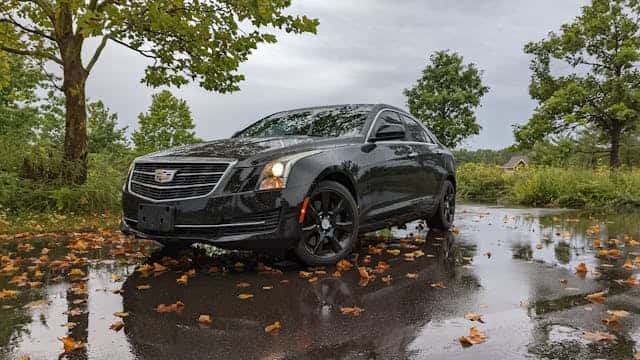
A Black Cadillac Car Parked on the Street by Collin Nederhood is licensed with Pexels License
Your tires lose up to 2 psi for each 10-degree drop in temperature. Cold slows air molecules, causing them to bunch together and drop tire pressure before your dashboard warning light illuminates. The National Highway Traffic Safety Administration says that tire pressure management systems detect about 55.6% of serious underinflation, but manual checks are better for the subtle pressure loss cold Alabama mornings cause.
Regular weekly pressure checks help preserve your tires, so pick up a tire pressure gauge for your glovebox. Running your Cadillac on soft tires causes the shoulders to degrade; you’ll also burn extra gas (or drain your LYRIQ’s battery faster), and perhaps lose that razor-sharp steering that Cadillacs deliver. You can find the proper psi for your tires on the driver’s side door jamb or in your owner’s manual. Always check your tires’ psi when they’re cold, before driving. Even a mile of driving warms them enough to give false readings that may hide real problems.
Rotate Your Tires on Time and Balance Them Often for Big Gains
Cadillac suggests rotating your tires every 5,000 to 7,500 miles, aligning with regular service every 7,500 miles or 12 months. Rotating your tires spreads wear across your vehicle’s four corners, protecting that smooth ride and confident grip. Postponing rotations can cause the front tires to handle steering and braking while the rear tires endure less wear. This creates patchy wear patterns that affect tire life, and may force the purchase of expensive pairs instead of complete sets.
Rotation patterns depend on your Cadillac’s model. Some have directional tires or different front/rear sizes limiting rotation options, while others allow for full cross-patterns for best wear distribution. Ask our Allen Turner Cadillac of Auburn team to create VIN-specific tire recommendations, so your wheel/tire combination follows the correct pattern for your model.
Don’t ignore wheel balancing, especially if you feel a shimmy through the wheel at highway speeds. Our Cadillac-certified service team recommends balancing every 6,000 to 8,000 miles or twice yearly, but Auburn’s roads may require more frequent balancing. Wheel balance can be affected by hitting a pothole, bumping a curb, or losing a wheel weight, causing vibration that can cup the tread and strain your suspension. You can save your tires’ tread and avoid road noise by catching balance issues early. Our service department often runs specials that include wheel balancing.
Alignment and Suspension Checks Before Trips
Cold weather makes alignment problems worse because chilly rubber doesn’t forgive tracking issues you might never notice in summer. Watch for warning signs, such as your steering wheel sitting crooked while driving straight, pulling to one side (possible camber problems), or unusual wear patterns such as outer-edge wear from toe-in issues or inner-edge wear from negative camber. Vibrations in your steering wheel or floor could mean that your wheels are unbalanced or misaligned, problems that worsen on Auburn’s wet, gritty winter roads.
Poor alignment causes tire edges to wear fast, especially on damp winter roads. Auburn drivers who drive I-85 regularly or climb the hills around Lake Martin know how quickly alignment can go bad from worn suspension components or hitting potholes. Experts suggest checking alignment every 6,000–10,000 miles, but winter can call for more frequent checks, so book a quick wheel alignment if something feels amiss.
When toe and camber settings are correct, your Cadillac tracks true, maximizing tire life and maintaining solid braking stability for winter driving safety. Get your alignment checked before long trips or whenever the handling feels different. Proper alignment and suspension work at our service center ensures your suspension meets factory specifications, protecting your tires and your Cadillac’s precise handling.
Tread Depth, Tire Type, and Storage
Tread depth is essential to your safety. Studies show that traction in snow drops 14% and wet-road stopping distance increases 7% when tires are at half their recommended tread depth. The legal minimum is 2/32 of an inch, but Alabama’s wet winter roads need 6/32 of an inch or more. Deeper grooves channel water and slush away, providing the grip you need for winter driving.
Tire type matters for Auburn’s unpredictable winters. All-season tires work well locally, offering balanced grip, a quiet ride, and a good life span. Another option is an all-weather tire with a 3PMSF rating. Winter tires use specialized rubber that stays flexible when cold, with deeper treads for snow and ice, but you should remove them when temperatures remain above 45 degrees.
LYRIQ-V owners need Continental PremiumContact 6 tires with higher load ratings for heavier electric vehicles (EVs). EV-specific tires use special silica compounds and have less rolling resistance to maximize battery range. Store spare tire sets in a cool, dry place between 40 degrees and 75 degrees, away from sunlight. Keep humidity under 75% to prevent moisture damage, use airtight bags, and store unmounted tires standing up.
Braking, Turning, and Cleanliness
Aggressive driving can significantly shorten tire life. Flooring the accelerator, hitting the brakes hard, taking corners sharply, speeding, and even slow parking are considered aggressive driving. Auburn’s winter conditions make smooth driving more important, as cold rubber provides less grip. Easy acceleration and gentle braking reduce heat buildup and scrubbing.
Clean your tires regularly to remove winter grit and road salt from sidewalls and treads. This stops rocks from digging in while helping you spot damage early. Proper pressure makes a huge difference: underinflated tires may lose 12,000 miles on a 60,000-mile tire, while properly inflated tires add 20% to their service life.
Stay Winter-Ready With Professional Cadillac Tire Care
Follow this simple routine. Check cold psi before driving, look for nails or screws stuck in treads, and inspect inner/middle/outer sections for uneven wear. Measure tread depth with a gauge, schedule a winter tire inspection if you’ve hit the mileage mark(s), and note any new vibrations or pulling that might signal trouble.
Contact Us To Schedule Service Today
Contact us to develop a winter-ready tire care plan or to address any other concerns you may have. You can trust our Allen Turner Cadillac team to keep your vehicle running smoothly, whatever the season.
0 comment(s) so far on Cadillac Tire Care in Auburn, Alabama: Tips for Extending the Life of Your Tires This Winter